

-
by _elleyce
- November 17, 2025
- 0 Comments
Okay, so picture this—you’re juggling multiple chains, approvals piled up like sticky notes, and that one swap goes sideways. Frustrating, right? I felt the same. At first I thought all browser wallets were basically the same. Then I started testing workflows across Ethereum, BSC, Polygon and a few Layer 2s. Things changed fast: approvals, gas quirks, and UX differences started to matter more than token lists. This piece is about practical wins—what actually reduces risk and saves time—based on hands-on use with a multi-chain browser extension that gets a lot of small things right.
Short version: rabby focuses on clear approvals, per-chain ergonomics, and sensible defaults. That matters. In practice, those three things cut down accidental approvals and make multi-chain work feel less like chaos and more like tools actually helping you. I’ll walk through the features I care about, how they affect security, and some tips to avoid common traps.
First: quick framing. Security in a wallet isn’t just cryptography. It’s the UI nudges, the defaults, and the workflows that guide users away from risky behavior. A wallet can be cryptographically secure and still put you at risk because of a confusing interface. The devil is in the details—gas estimation quirks, misleading approval screens, unclear nonce handling—little things that compound into big losses.
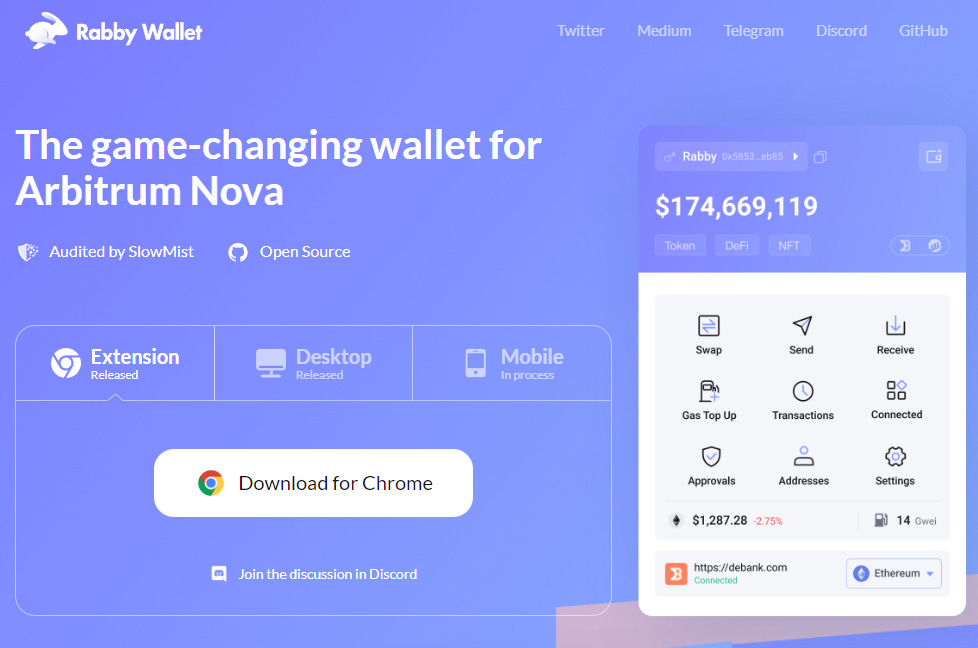
Why multi-chain UX matters for security
Multi-chain convenience is seductive. But it brings unique risks. When you hop between chains you face different fee tokens, different explorer links, and different contract standards—things that can make a seemingly straightforward interaction go wrong. rabby addresses several of these friction points.
Here’s what I’ve noticed in day-to-day use: clearer approval prompts reduce accidental infinite-approvals; per-chain gas controls mean fewer stuck transactions on less familiar networks; and a tidy account switcher removes the “which chain am I on?” guesswork. These are usability wins that directly reduce attack surface.
Practical tip: always double-check the chain icon and gas token before confirming a tx. The UI should help you do that fast. If it doesn’t, that’s a red flag.
Key security features that stand out
Permission management — rabby surfaces approvals and allows you to revoke them in a way that’s more direct than many extensions. That sounds small, but the ability to see and act on token approvals reduces long-term risk. If an approval looks suspicious, you can revoke it immediately rather than hunting through a block explorer later.
Transaction simulation — replaying or simulating a trade before signing is a powerful tool. It’s not perfect, but it helps you catch obvious sandboxes or malicious calldata. Treat these simulations as another layer of defense, not a silver bullet.
Gas controls per chain — rather than a one-size-fits-all gas slider, rabby’s approach accounts for different networks, which reduces failed or overpaid transactions. Fewer retries means fewer chances for user error and lower attack surface from rushed confirmations.
Smart contract approvals — and why you should care
Here’s the thing: approvals are the number one recurring vector for drained wallets. A sloppy approval that grants infinite allowance to a malicious contract hands over keys to your funds. I’ve seen projects with the best intentions still prompt users in ways that encourage infinite approvals for convenience. That bugs me.
Good practice is simple: set finite allowances, approve only what you need, and revoke after use for high-risk contracts. rabby makes finite approvals easy to choose, and shows you allowances so you’re not blindly trusting an app. Use that. Seriously—it’s a tiny habit with huge payoff.
Day-to-day workflows that save time and reduce risk
Workflows matter more than features alone. Here’s what I adopt: 1) a primary account for small, everyday gas and swaps; 2) a secondary cold-ish account for larger holdings; 3) burn-down approvals after big interactions. On-chain hygiene like this turns a potential disaster into an inconvenience.
Another tip: use the wallet’s native support for hardware keys when possible. Even with browser extensions, combining them with a hardware signer adds a meaningful barrier to compromise. If the extension supports this pairing cleanly, that’s a huge plus.
Common mistakes I see—and how rabby helps avoid them
Mistake one: approving infinite allowances because a dApp asks once and you want speed. Fix: choose finite allowances and set a comfortable cap. Mistake two: not noticing which chain or wallet account is active. Fix: rely on a clear chain/account UI—don’t trust tiny icons alone. Mistake three: panicking after a failed tx and re-sending with reckless gas. Fix: take a breath, check mempool status, and use sensible gas settings.
There’s a subtle psychological thing here: good UX reduces the impulse to make risky quick decisions. That’s part of why rabby’s design decisions feel security-minded; they nudge you to make a deliberate choice.
Getting hands-on with rabby
If you’re interested in testing it, do this: install the extension, add one chain at a time, and make a small, low-stakes transaction on each. Check the approval flow closely. Try revoking a token allowance. Pair a hardware key if you can. These steps take minutes, and they reveal how the wallet behaves when things go slightly off-script.
I’m biased toward tools that reward cautious behavior rather than override it. rabby leans that way—defaults and affordances that encourage safer choices without being cumbersome. That balance is rare.
FAQ
Is a browser extension wallet ever as safe as a hardware wallet?
A hardware wallet remains the gold standard for long-term storage. Browser extensions are incredibly useful for active DeFi interaction, but pair them with hardware keys for high-value accounts when possible. Use extensions for convenience and hardware for custody—mix and match.
Can I revoke approvals directly from the wallet?
Yes. One of the practical wins is that the wallet surfaces allowances and lets you revoke them without digging through explorers. That immediacy matters—revoke quickly when something looks wrong.
Should I trust automatic gas suggestions?
They’re fine as a baseline on familiar chains. On unfamiliar or volatile networks, eyeball the estimate and, if needed, set your own. Automatic estimates are helpful, but not infallible—treat them as guidance, not gospel.