

-
by _elleyce
- November 21, 2025
- 0 Comments
Okay, so check this out—I’ve tried a half dozen browser wallets over the years. Some were clunky, some were flashy, and a couple felt like ticking time bombs. My instinct said there had to be a middle ground: a wallet that respects UX without sacrificing the security-minded stuff we actually need. Rabby landed in that sweet spot for me. I’m biased, sure, but hear me out.
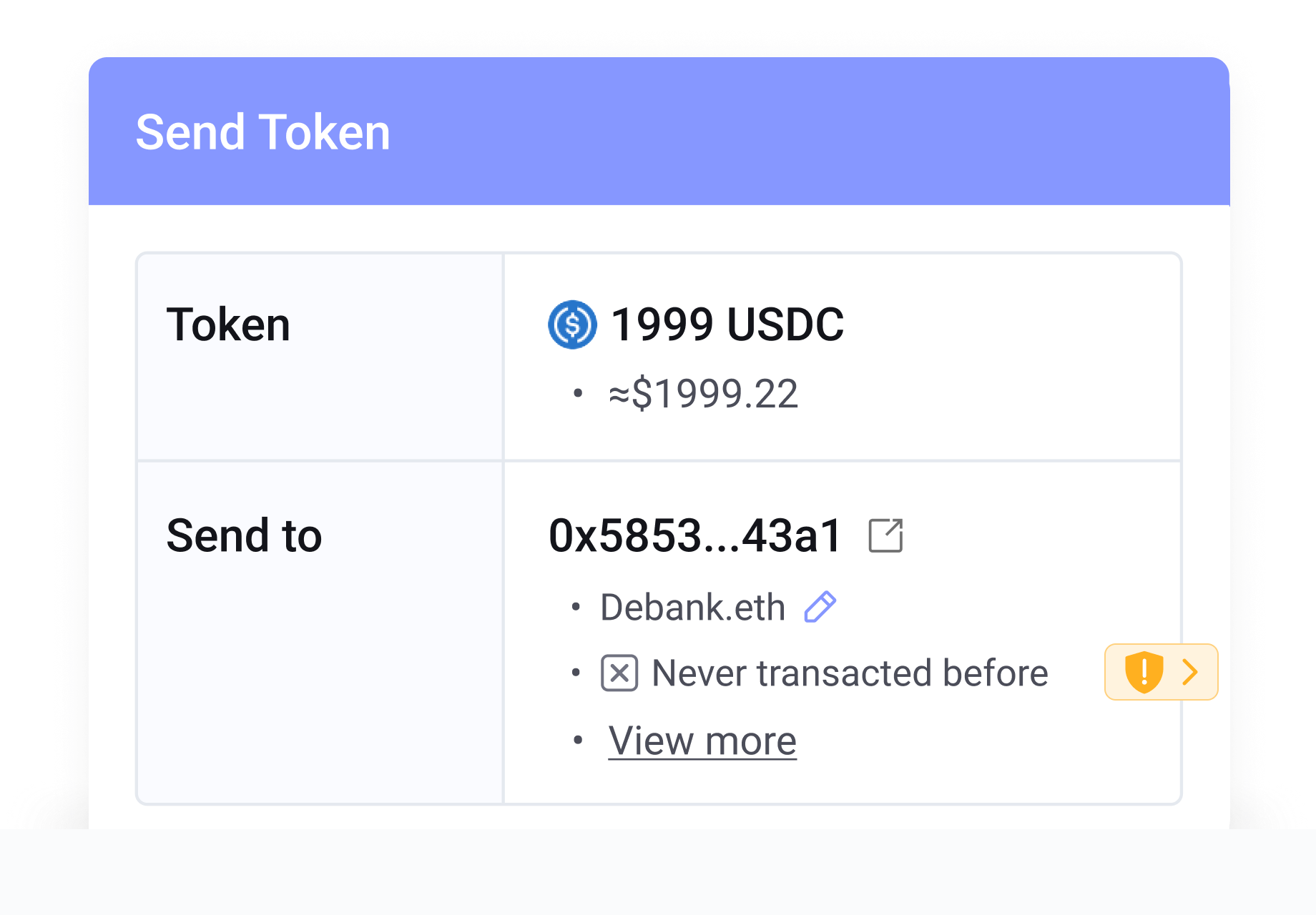
Short version: Rabby aims to be a multi-chain browser extension that treats transaction previews and permission hygiene as first-class citizens. It simulates transactions so you can see potential on-chain effects before signing, and it makes approvals less terrifying. For anybody who lives in DeFi — trades, liquidity shifts, yield farming, contract interactions — those are not niceties. They’re literally what keeps your funds intact.
At first I thought it was marketing. Seriously. But after using it for a few weeks I saw the simulation feature catch edge cases my usual workflow missed. Initially I thought “meh, another wallet”, but then the simulation flagged an unusual allowance change on a complex swap. That nudged me to pause—good thing I did. On one hand, the extension is lightweight; on the other, it’s packed with guardrails that matter for power users.
How Rabby fits into a power user’s toolkit
DeFi power users need three things: clarity, speed, and safety. Rabby tries to deliver on all three without being in-your-face about it. The transaction simulation gives you a human-readable breakdown of what a transaction will do, which is so useful when interacting with unfamiliar contracts. The UI surfaces allowances, and it makes it easier to reject excessive approvals. That alone saves a lot of worrying—I’ve revoked approvals I wouldn’t have otherwise noticed.
There are tradeoffs, though. It’s not a one-click replacement for every workflow. For example, if you rely heavily on bespoke RPC tweaks or custom signatures in scripts, you’ll do some tinkering. But for most multisig users, traders, and active vault farmers, Rabby reduces cognitive load—because it forces you to look at what you’re approving. That part bugs me in other wallets; Rabby nudges you to read.
Rabby wallet download and install — practical steps
Want to try it? Go to the official Rabby resource page and get the extension from there: rabby wallet. Follow the usual browser-extension prompts — add to Chrome or Brave or Edge, create a new wallet or import your seed (do this offline if you want extra safety), and set a strong password. If you have a hardware device, Rabby supports integrations so you can keep your keys off the browser altogether.
One quick tip: after installing, add the networks you actively use. Rabby ships with popular chains pre-configured, but adding a custom RPC is straightforward. Also check the security settings—enable any available phishing protection and review default approval behaviors. It’s a small setup cost that pays off fast.
My workflow now: simulate important txs first, check allowance changes, then sign with hardware when practical. It feels slightly slower, yes, but also much more deliberate. And that’s the point. DeFi isn’t a sprint, it’s a set of decisions. Make them intentionally.
Security model and real risks
Rabby is a browser extension, which means it inherits browser-extension risk vectors. That said, two things stood out to me. First, Rabby focuses on attack surface reduction through clearer prompts and allowance management. Second, it embraces hardware wallet support so the private keys needn’t sit in the extension at all. Those are pragmatic mitigations—not perfect, but useful.
Don’t mistake “useful” for “invulnerable.” If you’re handling high-value positions, combine Rabby with hardware wallets, multisigs, and cold-storage for reserves. Use dedicated browser profiles or containers for different activities. And please: back up your seed in multiple secure places. I’m not 100% sure anyone follows that last step religiously, but it matters.
Also—warning—no wallet can make a bad contract safe. Simulation helps, but it can’t predict every exploit vector. Think of Rabby as an advanced safety harness, not a magic shield.
Practical examples where simulation saved me
There are two situations that stuck with me. One: a complex router swap that would have routed through a token I don’t normally touch. The simulation showed a tiny approval to the router that would, in practice, open a broader allowance than intended. I canceled, adjusted slippage, and re-routed. Second: a vault migration where the target contract had an odd allowance pattern. Simulation exposed an unexpected step and let me contact the devs before signing. Both times I avoided potential loss—and that feeling is worth the 30 seconds of extra attention.
On the flip side, some simulations are noisy. They’ll flag benign internal transfers as risky when the context is fine. That can be annoying. But I’d rather have a false alarm than miss the real thing. Over time you learn to calibrate which warnings to take seriously.
FAQ
Is Rabby compatible with hardware wallets?
Yes. Rabby supports Ledger and similar devices so you can confirm signatures on-device. If you manage sizable positions, pair Rabby with hardware to keep keys away from the browser. That’s my go-to safety pattern.
Will Rabby replace MetaMask for DeFi pros?
Not necessarily replace, but it can complement or supplant depending on your priorities. MetaMask remains ubiquitous; Rabby is tailored toward clearer transaction previews and permission control. Many power users keep multiple wallets for different tasks—Rabby for careful contract interactions, another for casual token swaps, etc.
How do I trust the extension?
Check the source, audits, and community discussion. Use official distribution channels and keep your browser environment clean. No single indicator proves “trust,” so combine evidence: reputable repo, audit reports, and consistent developer response to issues.
Alright—final thought. Rabby isn’t a panacea. It is, however, a thoughtful piece of tooling that nudges you to be careful without being clunky. If you live in DeFi and you value sane transaction previews and better allowance controls, give it a try. Try being the operative word—start with low-value txs, learn the prompts, then scale up. You’ll learn fast whether it meshes with your workflow or not. And hey, if you find something weird—report it. The space runs on community vigilance, really.